



Publications
Publications
Filter by
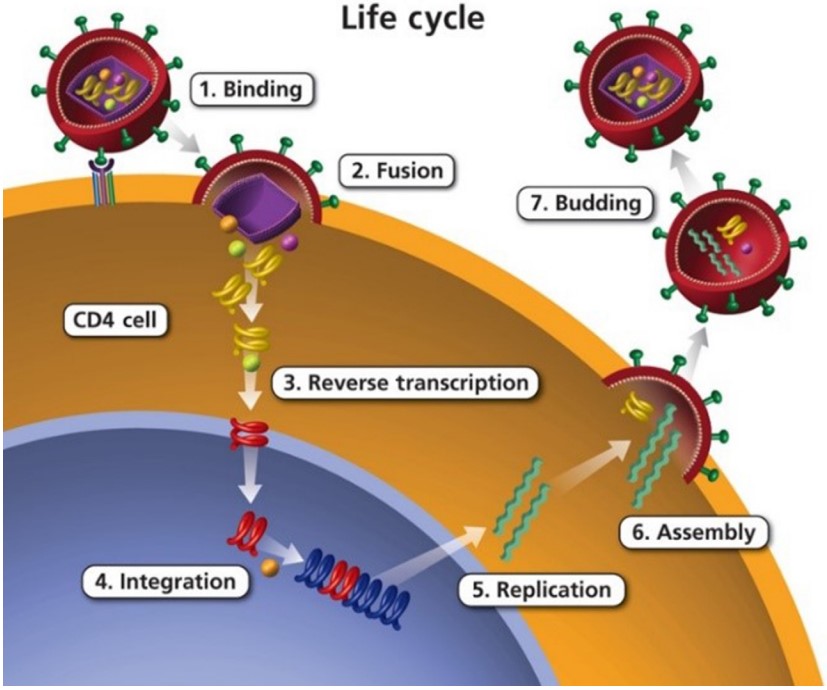
Fractional-Order Models for HIV Viral and Epidemiological Dynamics
Since 1981, millions have died of HIV with no available cure until now. Therefore, researchers have always tried to study its dynamics through mathematical modeling to make it more predictable and controllable. In this chapter, the authors are concerned with two different models: the viral and epidemiological dynamics of HIV. Commonly, researchers introduce HIV dynamics using ordinary differential

Dynamics, synchronization and fractional order form of a chaotic system with infinite equilibria
Conventional chaotic systems, such as the Lorenz system, Rössler system, Chen system, or Lü system, have a countable number of equilibrium points. Interestingly, a few unusual systems with infinite equilibria have been discovered recently. It is worth noting that from a computational point of view, that equilibria cannot support to identify the attractors in such systems. This chapter presents a
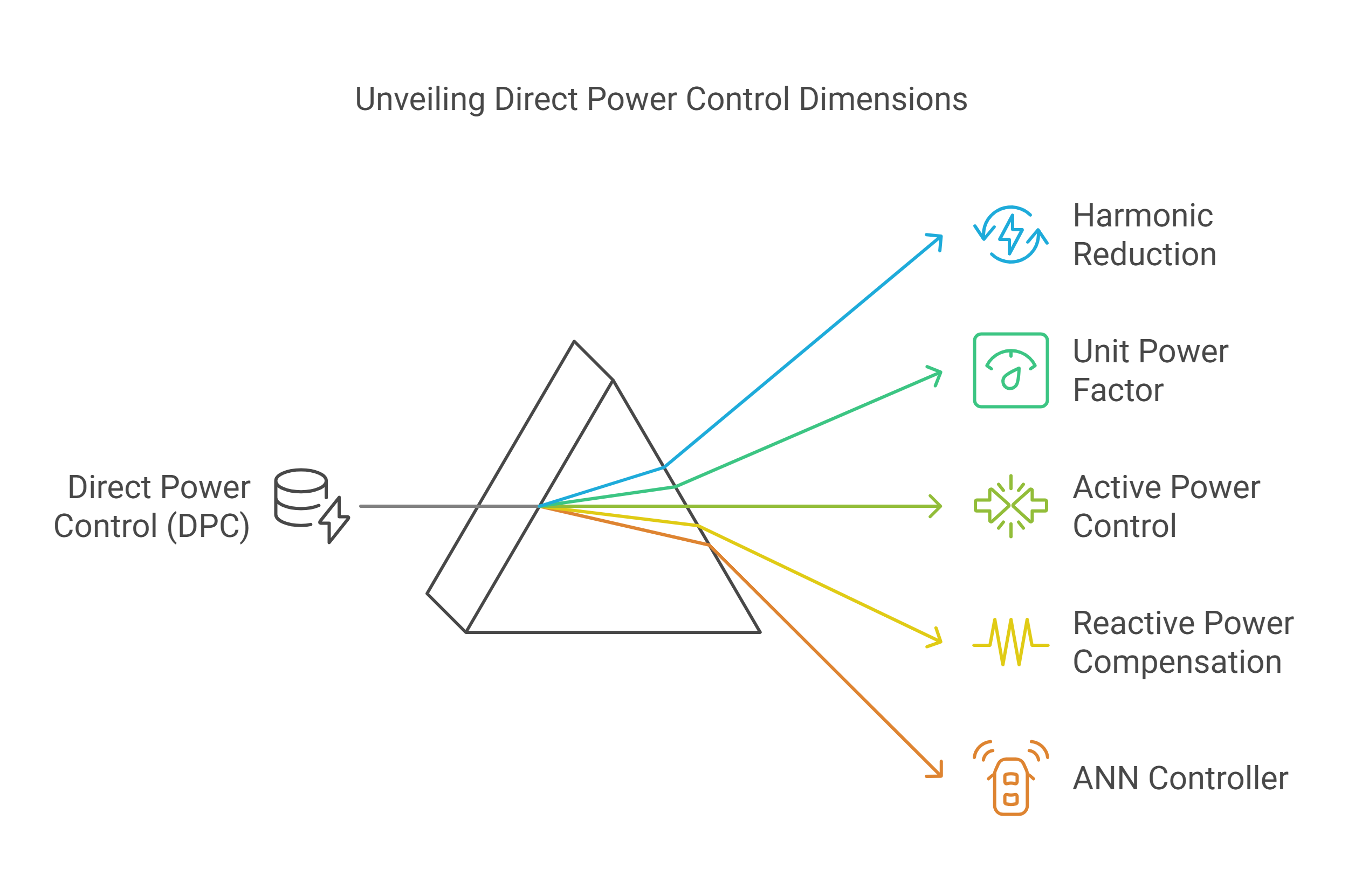
Artificial neural network for PWM rectifier direct power control and DC voltage control
In this chapter, a new technique has been proposed for reducing the harmonic content of a three-phase PWM rectifier connected to the networks with a unit power factor and also providing decoupled control of the active and reactive instantaneous power. This technique called direct power control (DPC) is based on artificial neural network (ANN) controller, without line voltage sensors. The control
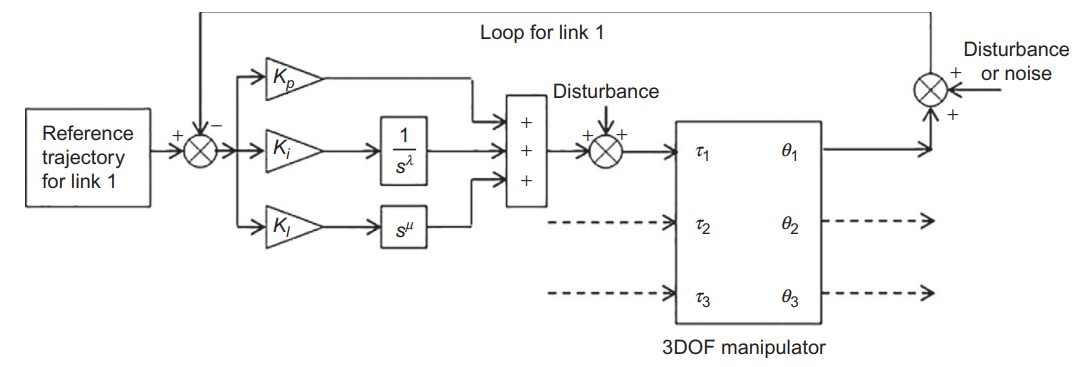
Control of a Three-Link Manipulator Using Fractional-Order PID Controller
The main objective of this chapter is to evaluate the performance of a fractional-order PID (FO-PID) controller for set point tracking, disturbance rejection, and model uncertainties for the highly nonlinear coupled three-link planar rigid robotic manipulator system. Generally, a three-link planar robot is used in the manufacturing industry and experiences disturbance in many forms, such as
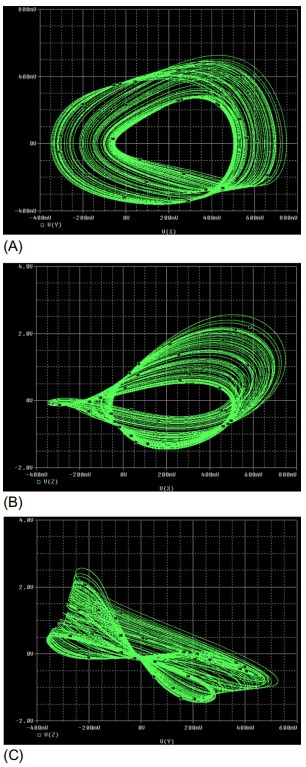
Dynamics, Circuit Design, Synchronization, and Fractional-Order Form of a No-Equilibrium Chaotic System
Systems without equilibrium such as electromechanical models with rotation and electrical circuits with cylindrical phase space were studied a long time ago. However, chaotic systems without equilibrium have received significant attention recently after the introduction of hidden attractors. Interestingly, an attractor of a no-equilibrium system is hidden because its basin of attraction does not
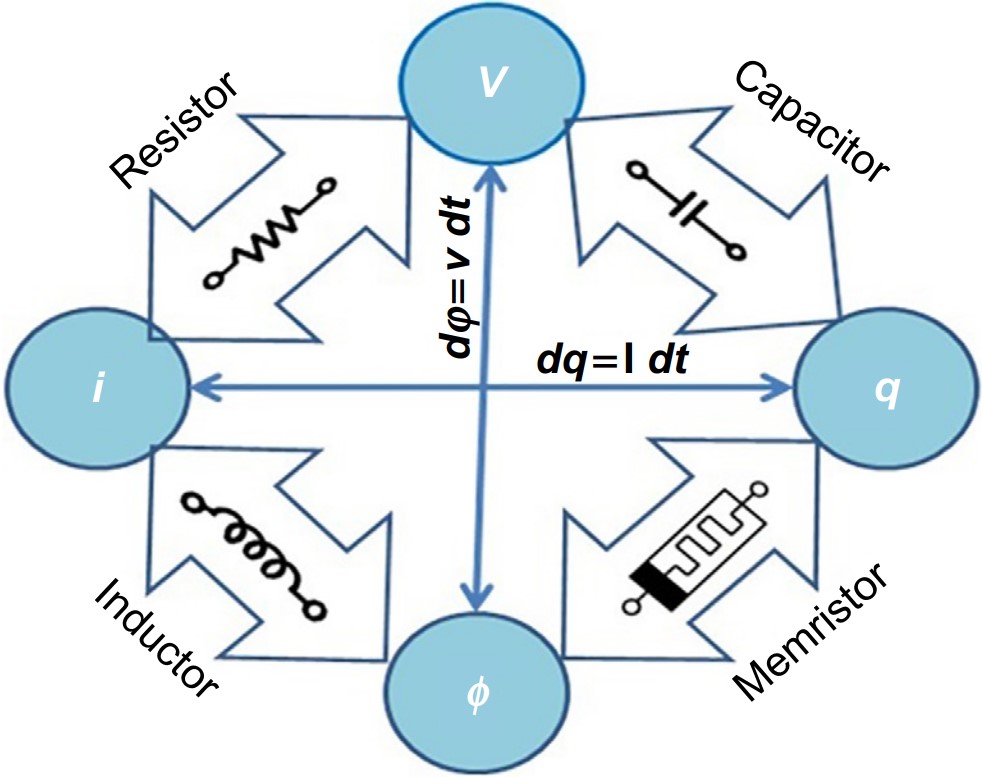
Memristive Fractional-Order Nonlinear Model for Circuit Design
The main objective of this chapter is to bring together studies addressing the current research and history of memristive device evolution available in the literature. The chapter highlights the methodologies and frameworks relevant to the development of nonlinear memristor models suitable for future nanoscale circuit design. An elaborate study of memristor device physics, structure, operation
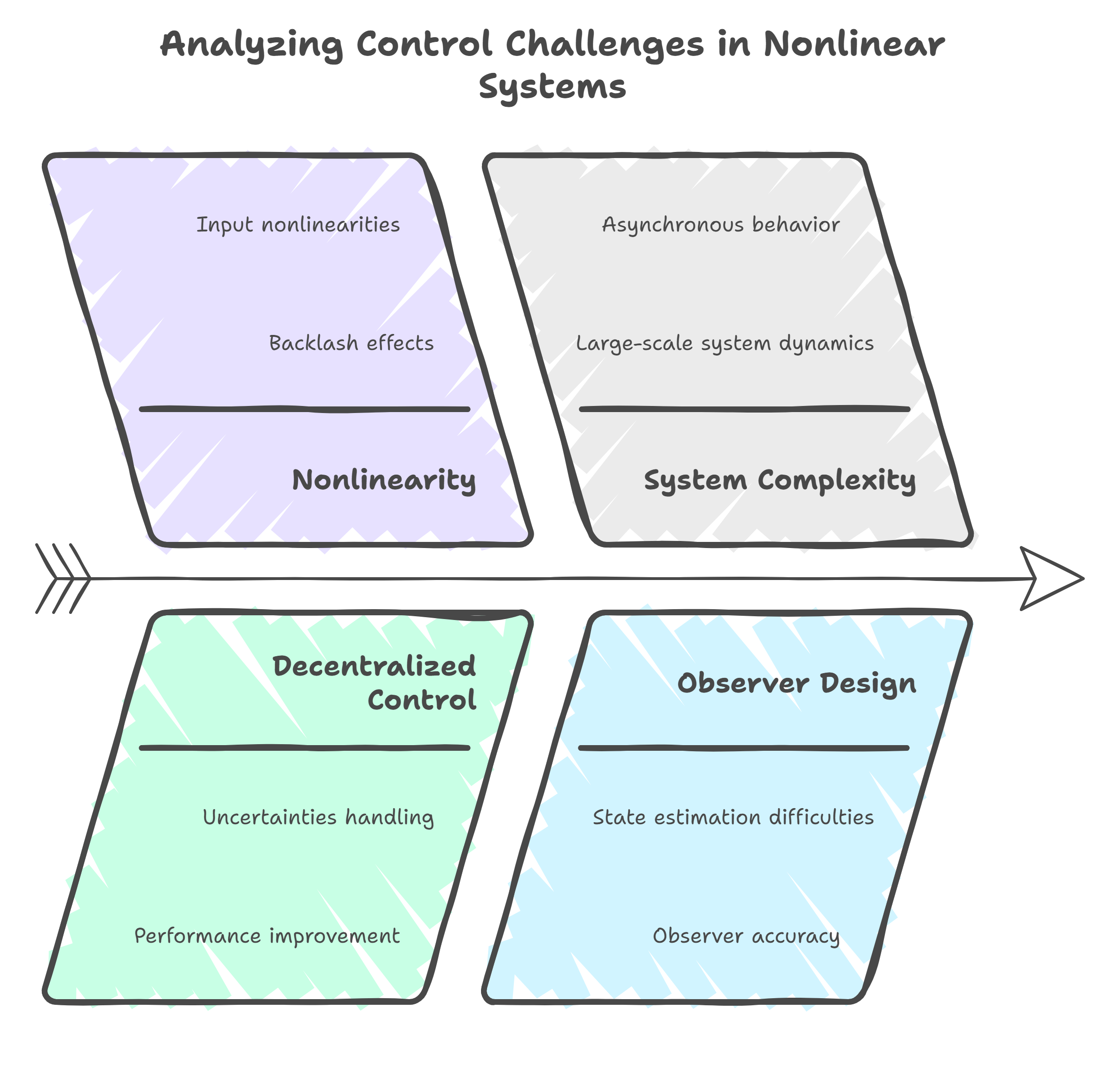
Adaptive decentralised sliding mode controller and observer for asynchronous nonlinear large-scale systems with backlash
In this article an adaptive decentralised sliding mode controller and observer for asynchronous nonlinear large-scale systems with backlash is proposed. In the literature, only the synchronous case for input nonlinearities such as dead-zone and saturation is found. In this article, the asynchronous case for systems with backlash is studied considering the backlash effect. Owing to the complexity
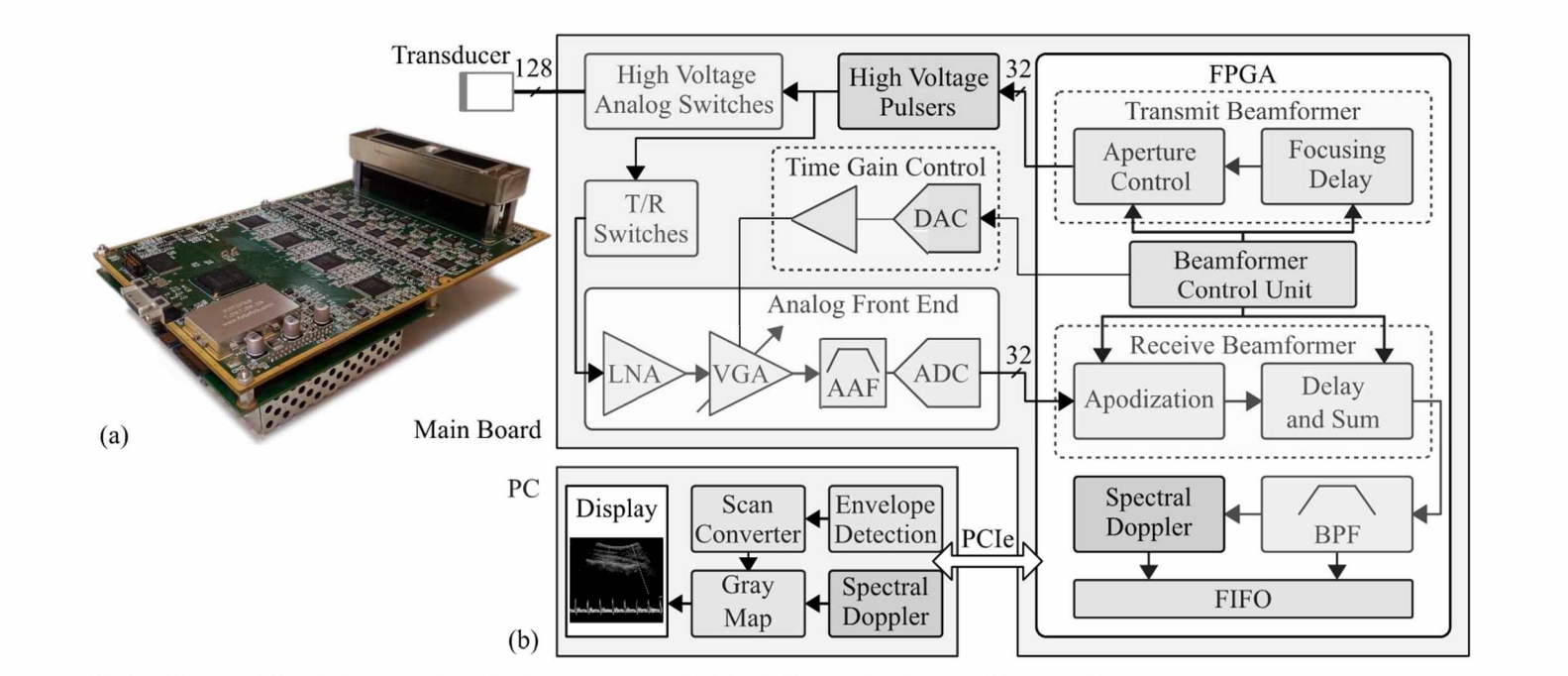
Implementation of a Pulsed-Wave Spectral Doppler Module on a Programmable Ultrasound System
Pulsed wave Doppler ultrasound is commonly used in the diagnosis of cardiovascular and blood flow abnormalities. Doppler techniques have gained clinical significance due to its safety, real-time performance and affordability. This work presents the development of a pulsed wave spectral Doppler module, which was integrated into a reconfigurable ultrasound system. The targeted system adopts a
Incremental Grounded Voltage Controlled Memristor Emulator
Memristor has become an interesting research subject in the recent years. Its special behavior has attracted the attention of the research community that motivated researchers to investigate it in details. As memristor is a relatively new electrical element, it is not yet available in the market as a solid state component Researchers found their way to build memristor emulators to achieve its
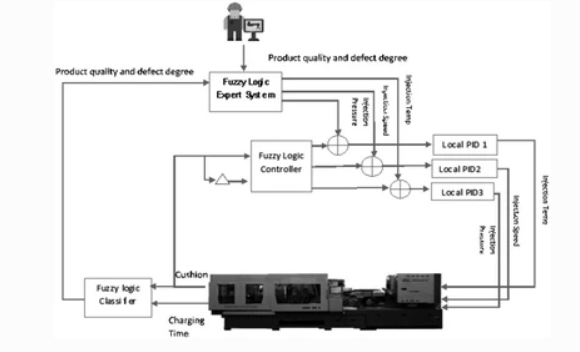
Improved Production Key Performance Indicators (KPI’s) Using Intelligent-Manufacturing Execution Systems (I-MES)
The aim of this research is to reduce the gap between manufacture expertise and management expertise by using modern technology like Manufacturing Execution System (MES) via Artificial Intelligence (AI) and Machin Learning (ML). A design of MES has been proposed and implemented on El-Araby Plastic Injection Molding (PIM) factory. This work is based on the International Society of Automation