Publications
Publications
Filter by
An energy-efficient multiobjective scheduling model for monitoring in internet of things
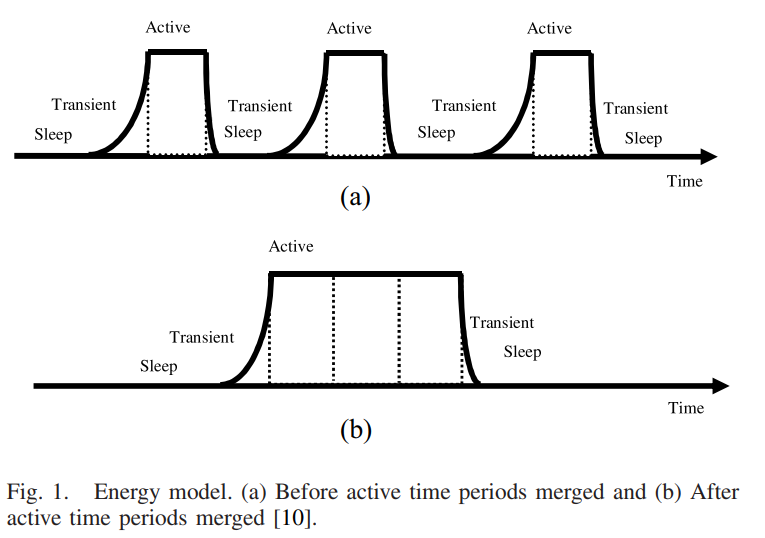
To ensure robustness in wireless networks, monitoring the network state, performance and functioning of the nodes and links is crucial, especially for critical applications. This paper targets Internet of Things (IoT) networks. In the IoT, devices (things) are vulnerable due to security risks from the Internet. Moreover, they are resource-constrained and connected via lossy links. This paper

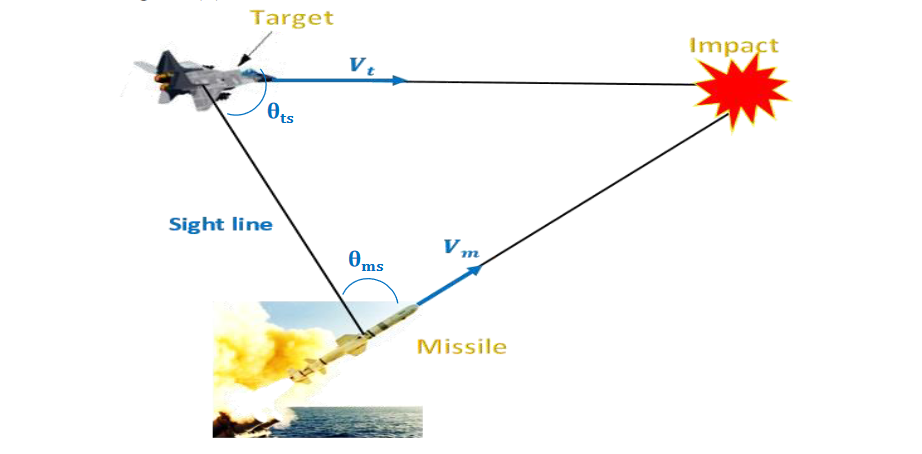
Intercept algorithm for maneuvering targets based on differential geometry and lyapunov theory
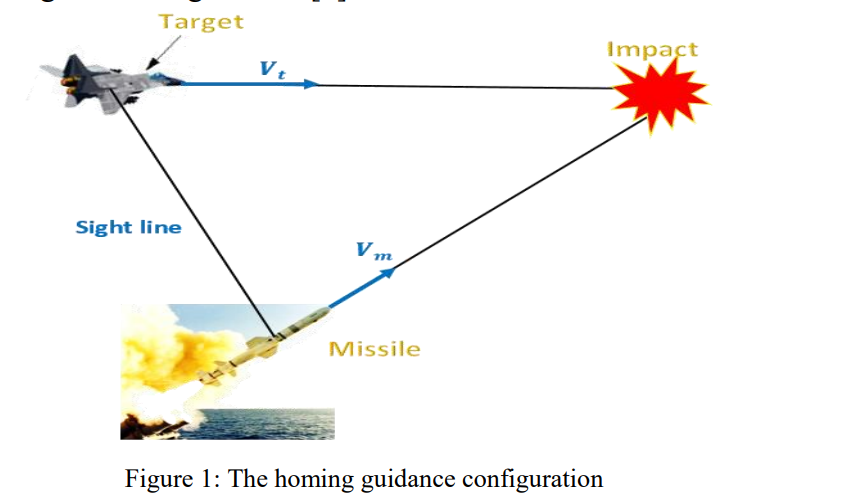
Nowadays, the homing guidance is utilized in the existed and under development air defense systems (ADS) to effectively intercept the targets. The targets became smarter and capable to fly and maneuver professionally and the tendency to design missile with a small warhead became greater, then there is a pressure to produce a more precise and accurate missile guidance system based on intelligent
An analysis of the financial inclusion in South Africa considering race, education and income
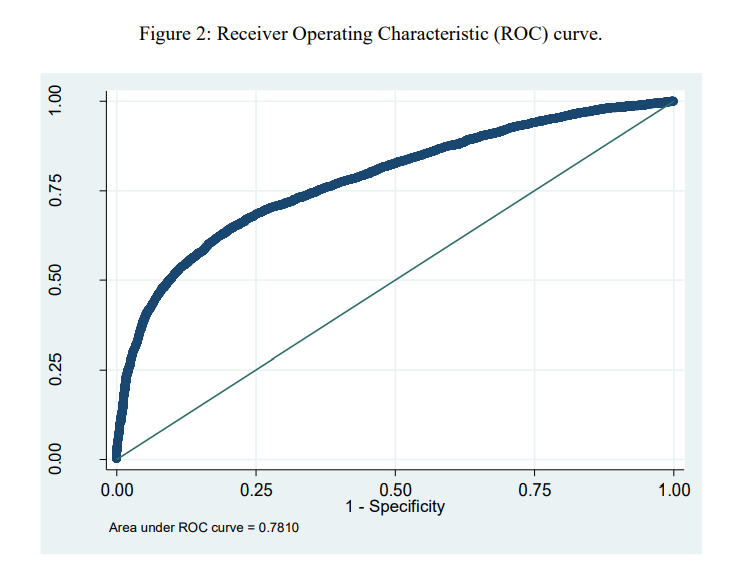
The paper examines the issue of financial inclusion in South Africa by analysing the likelihood of ownership of a bank account of an adult individual by race, education and income. Although racial segregation in South Africa was ended on May 10th, 1994, there is still considerable evidence that self-employed and entrepreneurs' successes are related to their ethnic groups. The paper examines how
Log Transform Based Optimal Image Enhancement Using Firefly Algorithm for Autonomous Mini Unmanned Aerial Vehicle: An Application of Aerial Photography
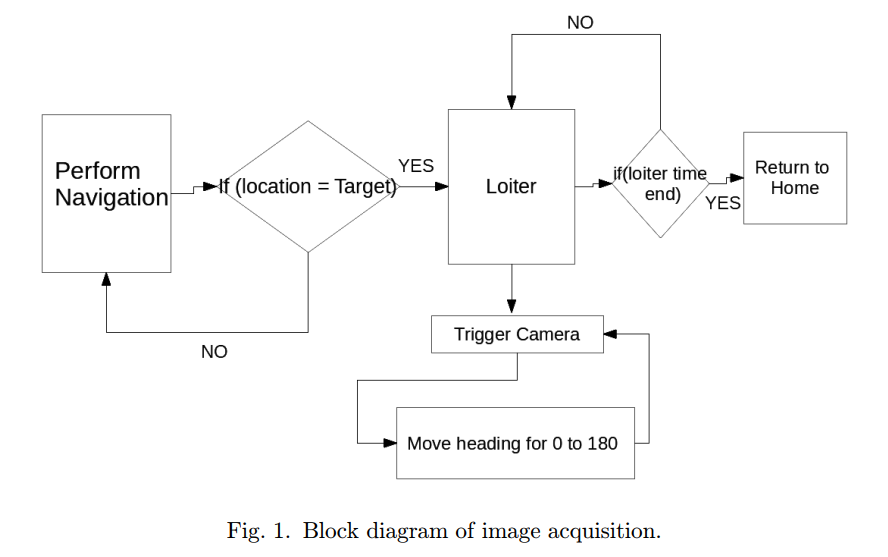
The Unmanned Aerial Vehicles (UAV) are widely used for capturing images in border area surveillance, disaster intensity monitoring, etc. An aerial photograph offers a permanent recording solution as well. But rapid weather change, low quality image capturing equipments results in low/poor contrast images during image acquisition by Autonomous UAV. In this current study, a well-known meta-heuristic
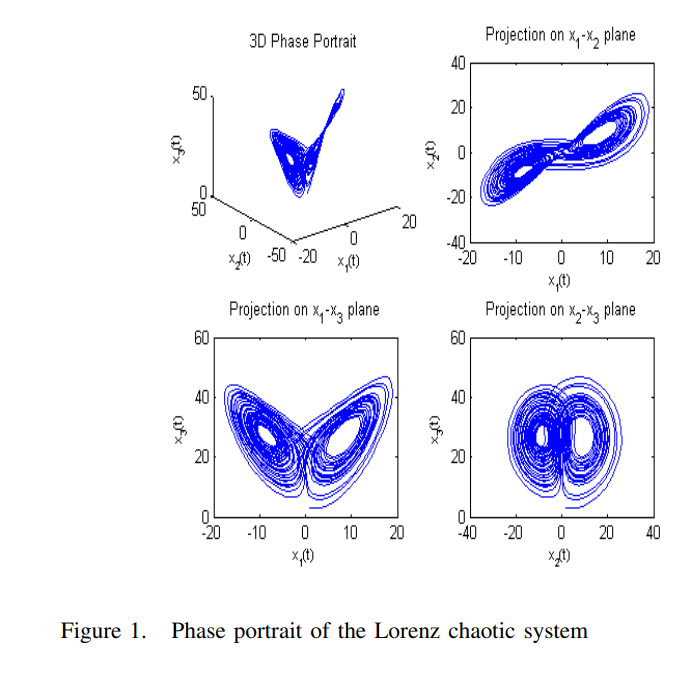
Sliding mode control technique for multi-switching synchronization of chaotic systems
In this manuscript, a sliding mode control technique is proposed for multi-switching synchronization of chaotic systems in which state variables of a master system are synchronized with different state variables of a slave system. Based on the sliding mode control technique and Lyapunov stability theory, the suitable controllers are designed for different switches. To implement this methodology
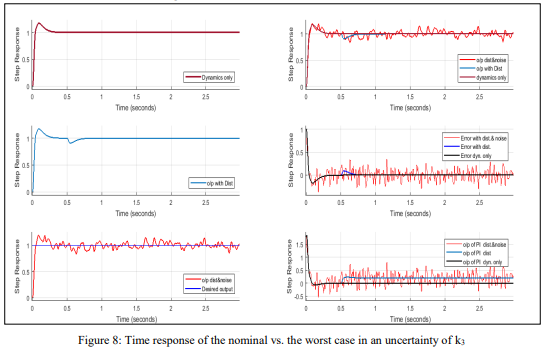
Modeling of target tracking system for homing missiles and air defense systems
One reason of why the guidance and control systems are imperfect is due to the dynamics of both the tracker and the missile, which appears as an error in the alignment with the LOS and delay in the response of the missile to change its orientation. Other reasons are the bias and disturbances as well as the noise about and within the system such as the thermal noise. This paper deals with the
A qualitative comparison between the proportional navigation and differential geometry guidance algorithms
This paper discusses and presents an overview of the proportional navigation (PN) guidance law as well as the differential geometry (DG) guidance algorithm that are used to develop the intercept course of a certain target. The intent of this study is to illustrate the advantages of the guidance algorithm generated based on the concepts of differential geometry against the well-known PN guidance
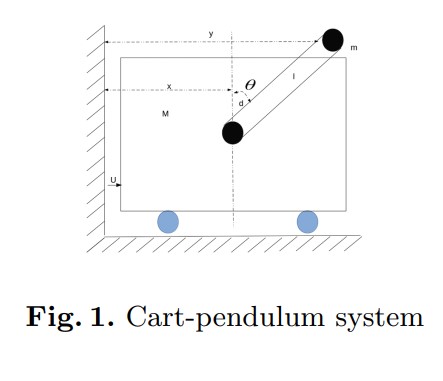
Passivity based decoupling of lagrangian systems
In this article a novel decoupling strategy for complex systems, in specific, Lagragian models which represents mechanical systems is proposed. In this study a passivity based approach is shown considering that the decoupling law improves some results found in literature in which only a state feedback decoupling law is implemented. The passivity based decoupling law is obtained by selecting an
Fractional-order and memristive nonlinear systems: Advances and applications
[No abstract available]
Generalized synchronization of different dimensional integer-order and fractional order chaotic systems
In this work different control schemes are proposed to study the problem of generalized synchronization (GS) between integer-order and fractional order chaotic systems with different dimensions. Based on Lyapunov stability theory of integer-order differential systems, fractional Lyapunov-based approach and nonlinear controllers, different criterions are derived to achieve generalized